One doable next step
Parallel Play Narration
Sit next to your child and narrate what THEY are doing, not what you want them to do. This technique is called 'sportscasting' and builds vocabulary without pressure.
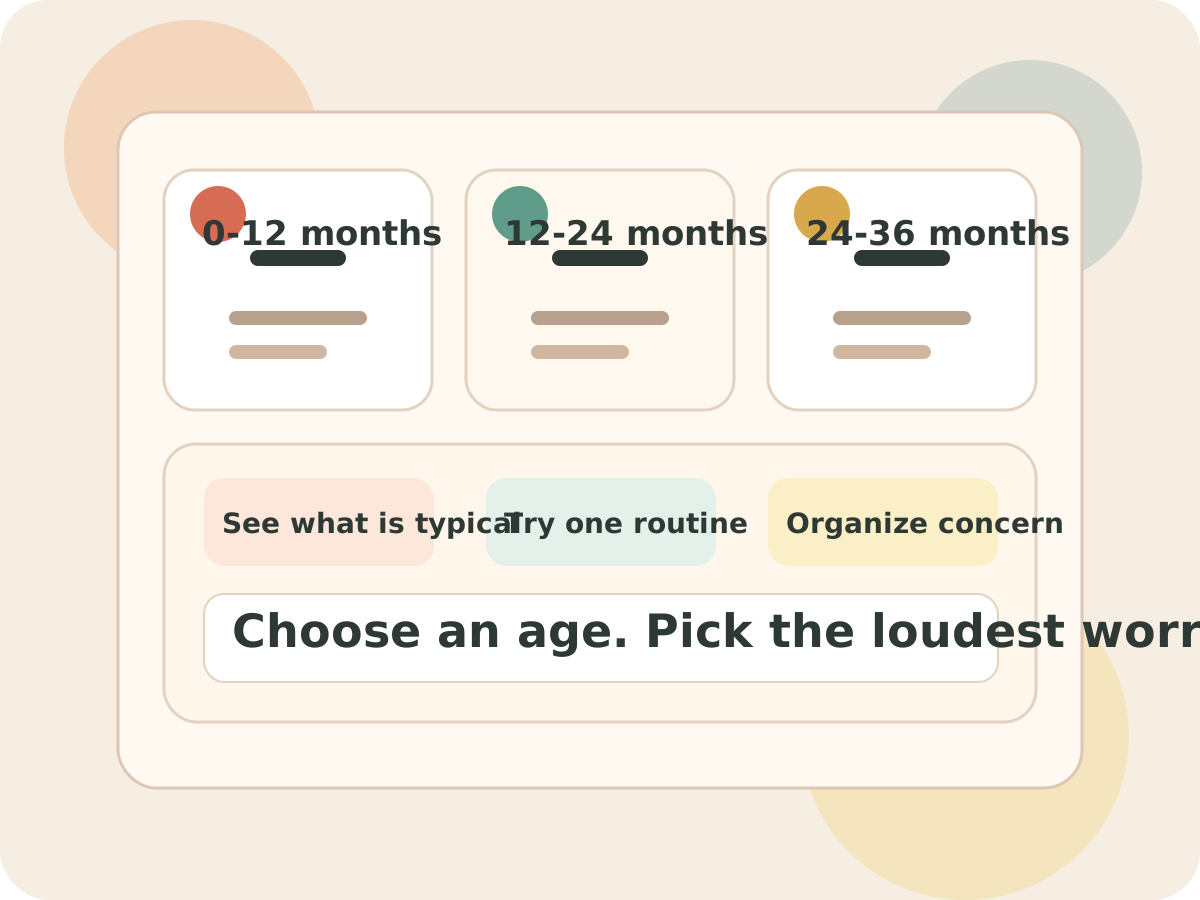
Preview milestones, routines, and concern pathways the same way a parent would use the app: pick an age, name the worry, and see the next click immediately.
Best for parents who want one trustworthy place to check milestones, collect concerns, and practice realistic routines at home while waiting for or working alongside therapy.
What you can preview here
The live start menu shows the age snapshot, one doable idea, and the next best click a parent would see based on your child's age and concern.
Choose an age, name the worry, and pick the kind of help you want first. The preview updates instantly so parents can see the next click without guessing.
Child age right now
Big vocabulary growth, pretend play, and clearer communication patterns.
What feels most urgent right now?
What kind of help do you want first?
Live preview
This is the age snapshot, idea, and next action a parent would see next.
19-24 months
Your toddler can handle instructions with two parts: "Get your shoes and bring them to Daddy."
Parent note
If your toddler isn't hitting the 50-word mark or combining words yet, you may hear the term "late talker." Here's the nuance: many late talkers DO catch up on their own by age 3, but some don't, and we can't always predict which group your child will fall into. That's why getting an evaluation is always a good idea -- not because something is definitely wrong, but because early support makes a big difference if it IS needed, and it gives you peace of mind if it isn't. An evaluation is not a label. It's information.
One doable next step
Sit next to your child and narrate what THEY are doing, not what you want them to do. This technique is called 'sportscasting' and builds vocabulary without pressure.
Worth watching
Fewer than 50 words by 24 months
Parents should not have to decode the whole product before they can trust it. This launcher shows the age anchor, one small idea, and the next click immediately.
Parents usually do not need more content. They need a smarter sequence: understand the stage, spot red flags, practice one routine, and know when to escalate.
Age-based milestone guidance across speech, language, social communication, feeding, and development.
Daily practice ideas built around play, meals, bedtime, errands, and the moments families already have.
Use red flags, screeners, and doctor-prep tools to speak clearly with pediatricians and SLPs.
HomeSLP helps parents connect speech and language growth with feeding, play, regulation, shared attention, and the routines that shape daily life.
See what clearer sounds and easier-to-understand talking can look like now.
See speech milestonesCheck vocabulary, listening, and how language is building in daily routines.
Start the quick checkUse play to build attention, imitation, flexibility, and shared engagement.
Try daily ideasReview mealtime watch-fors and how feeding connects with development.
See feeding watch-forsSupport transitions and calmer routines with predictable communication.
Try calmer routine ideasGo deeper with clinician-reviewed creators and communities.
Explore trusted resourcesBefore asking parents to subscribe, we let them experience the value: age-based guidance, clearer red flags, and a calmer sense of what to do next.
Answer 5 quick questions about your child's communication
Takes about 60 seconds. No account needed.
The goal is not to turn families into therapists. It is to help them notice communication opportunities hiding inside breakfast, bath time, play, and bedtime.
HomeSLP daily tips are designed to feel playful, realistic, and short enough to survive an actual family routine. Each one gives a parent a concrete thing to model, a quick reason it matters, and a clear next step if concern persists.
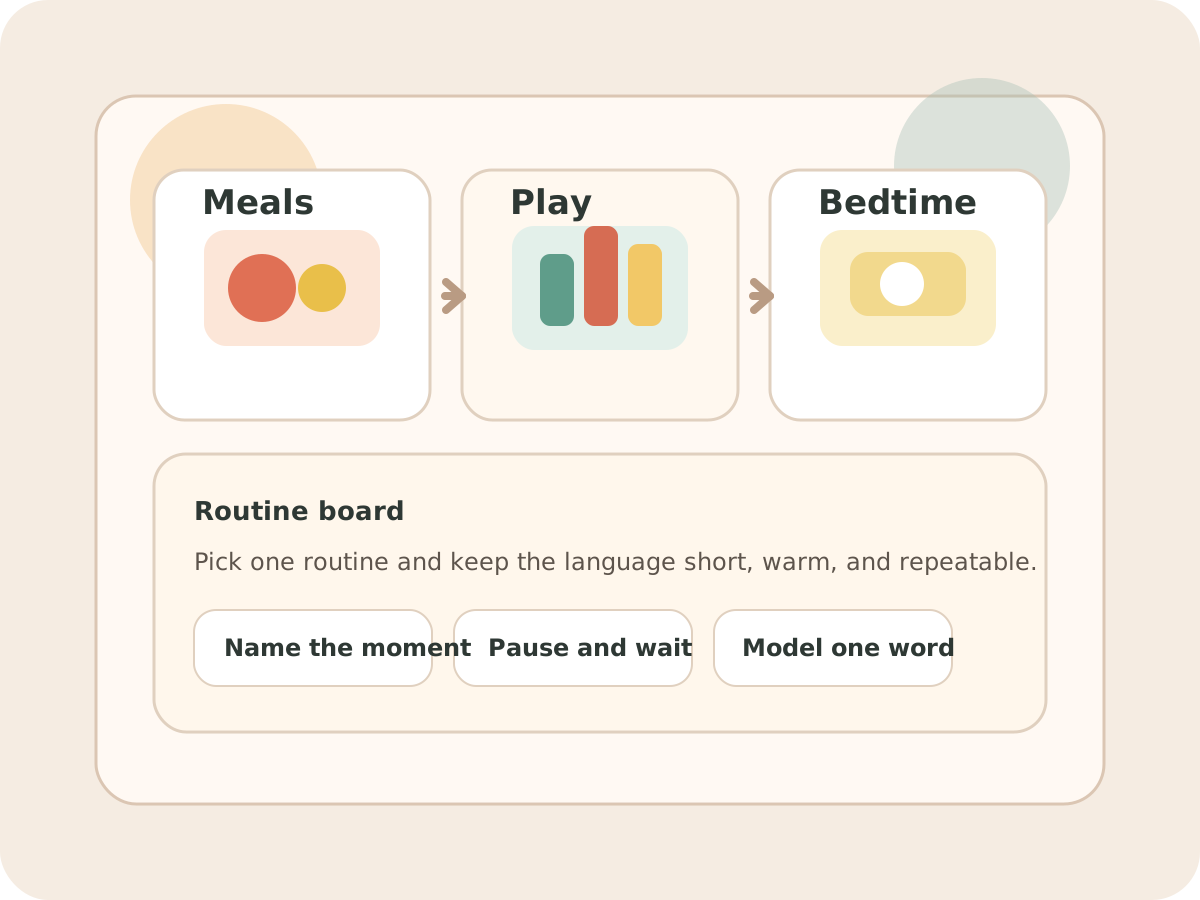
Hold up two foods at eye level and wait 3 full seconds before naming them. This encourages your child to look, point, or vocalize a preference before you label it.
Read-aloud: The Two-Choice Hold
42 sec
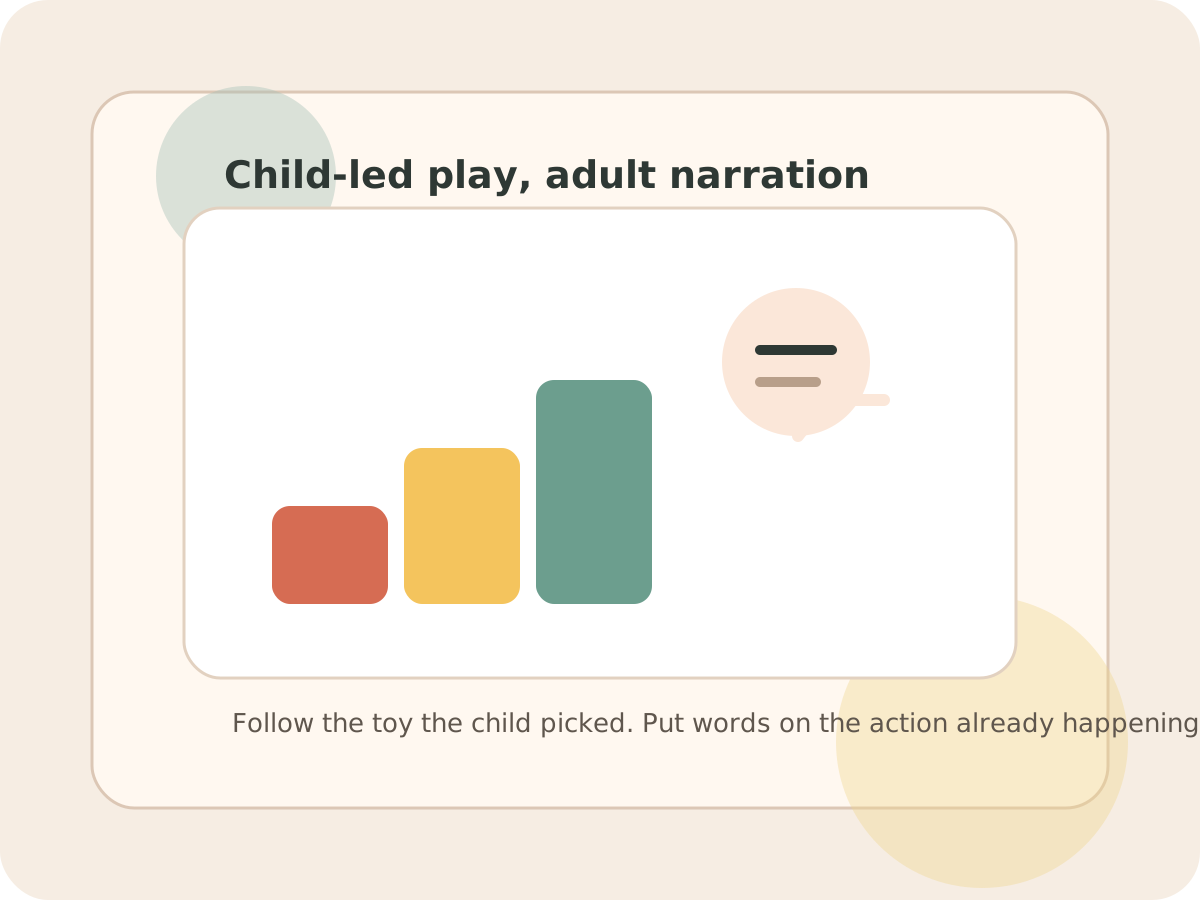
Sit next to your child and narrate what THEY are doing, not what you want them to do. This technique is called 'sportscasting' and builds vocabulary without pressure.
Read-aloud: Parallel Play Narration
39 sec
After saying something to your child, count to 5 silently before speaking again. Most parents wait less than 1 second. Five seconds feels like forever but gives your child time to process and respond.
Read-aloud: Wait 5 Seconds
Audio
Parents should be able to tell how advice is framed, where it comes from, and when content stops being educational and starts needing professional care.
Read our research standardsWe start with CDC, ASHA, AAP, and related pediatric references before we turn guidance into parent-friendly explanations.
Routine-based ideas are framed around communication opportunities, not pressure. Parents get one small thing to try instead of an impossible checklist.
When a child is missing skills, losing words, or showing red flags, we tell parents clearly when to bring concerns to a pediatrician or SLP.
The paid path adds a steadier weekly rhythm: one focus, one coaching explanation, and printable support you can actually use at home.
Included in the guided path
Example weekly modules
First Words: Building a Foundation
Week 1Learn the most powerful strategy SLPs use to encourage first words. This technique gives your child the space and model they need to start communicating.
Read-aloud: Blueprint week one commentary
52 sec
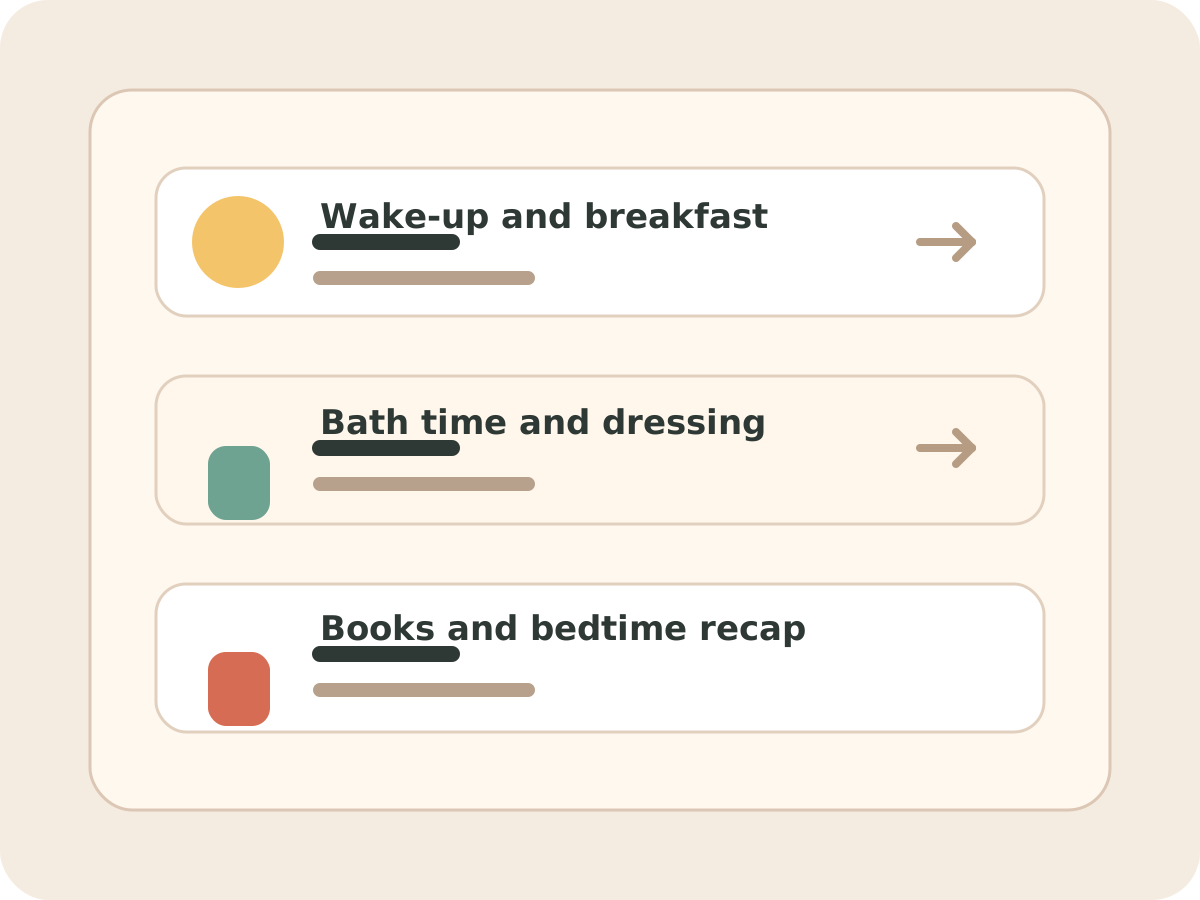
Everyday Routines as Learning
Week 2Turn bath time, diaper changes, and getting dressed into powerful language-learning moments. Routines are predictable, which helps your child anticipate and eventually use words.
Play-Based Language Building
Week 3Learn two simple narration techniques that SLPs use during play to flood your child with language in a natural, pressure-free way.
Start with milestones and a quick check, then use daily routines to build momentum. When concern rises, HomeSLP helps you bring clearer observations to the professionals who can support your child next.